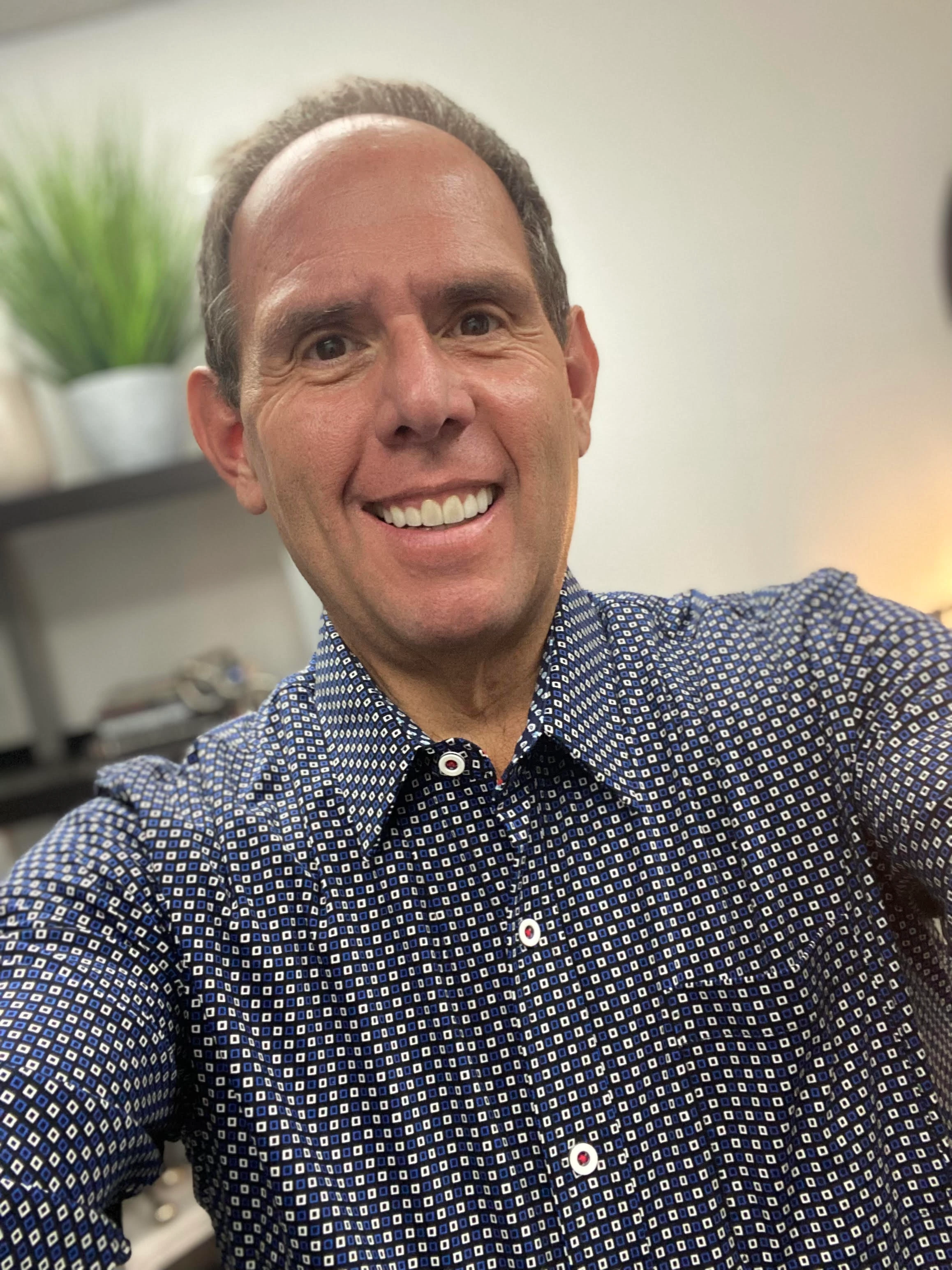
Over The Influence: Why We Need More Regular People in Ads
I'm so over it. The influencer world, that is. It's like they're all trying to be the same person. I mean, seriously, have you ever scrolled through you...

I've sat in a hundred pitch meetings where a client slaps a good-looking influencer deck on the table and says, "This is our strategy." And I've watched a hundred of those campaigns underperform the boring, unglamorous ad that just put a real person on camera talking about a real problem. That's not a hot take. That's forty years of watching the data come back.
I get why brands chase influencers. They come with a built-in audience and a number next to their name that makes a media buyer feel safe. But safe isn't the same as effective. I've seen six-figure influencer deals move less product than a $2,000 shoot with a guy from the warehouse talking about why he actually likes the drill he's holding. At what cost does polish come? Usually trust. And trust is the one thing you can't buy back once an audience smells the script.
Real People Beat Fake Perfect Every Time
That's why I believe we need more regular people in ads. Not actors playing regular people -- actual regular people. People who aren't performing a persona for the algorithm, people just being themselves on camera for the first time in their lives, nervous and a little rough around the edges. That roughness is the whole point. It's the thing a teleprompter can't fake, and audiences have gotten scary good at spotting the difference.
Most ads still feature airbrushed models who look like they were poured out of a mold. They present an idealized version of beauty that's unattainable for almost everyone watching. Influencer ads have the opposite problem but the same result: they're so overly scripted and promotional that they stop feeling like a person talking and start feeling like a salesperson reading copy off a card. I've written that copy. I know exactly what it sounds like when it's landed right, and I know exactly what it sounds like when the seams are showing -- and audiences know it too, even if they can't articulate why they scrolled past.
The fix isn't complicated, it's just harder to sell internally: more diversity, more authenticity, more transparency. Real people, with real flaws, saying things they'd actually say. If your headline for the campaign is doing the heavy lifting of the pitch, the casting has to do the heavy lifting of the belief -- and a headline that doesn't earn the read won't save a spot that already feels fake the second a real person opens their mouth.
What You Can Do About It
As consumers, we can demand more from the brands we support. Support the ones that put regular people in front of the camera, that are upfront about which posts are paid, and that don't hide behind a disclosure buried three hashtags deep. Unfollow the ones that don't. That's not a boycott, that's just paying attention.
What We Advertisers Need to Do
As advertisers, we need to stop defaulting to the influencer formula because it's the easiest line item to justify in a budget meeting. I've built campaigns around a single unscripted customer testimonial that outperformed a full influencer roster, because the audience could tell in three seconds which one was real. That means casting real people, writing them real dialogue instead of ad copy dressed up as dialogue, and being straight with the client about why the polished option isn't automatically the smart option.
At the end of the day, it's up to all of us -- brands, agencies, and the people buying the product -- to put authenticity ahead of superficiality. It's time to move away from the influencer default and back toward regular people. Because there's nothing that sells harder than someone who looks like you, sounds like you, and has lived something close to what you've lived.
Author: Ken Moskowitz
Frequently Asked Questions
Ken argues that influencer ads are overly scripted and overly promotional—they don't feel like real people talking about real experiences. Instead, they come across as salespeople trying to sell you something, which makes the whole thing feel forced and fake.
According to Ken, airbrushed models present an idealized, unattainable version of beauty that most people can't relate to. This lack of representation makes ads feel disconnected from real life and real people.
Ken says consumers can support brands that feature regular people and promote diversity and authenticity in their ads. You can also unfollow influencers who don't align with your values or who promote products dishonestly, and demand transparency about influencer partnerships.
Ken challenges advertisers to think beyond the influencer formula and look for innovative ways to tell stories. He wants the industry to seek out diverse voices, prioritize authenticity and transparency, and feature regular people with real flaws and imperfections instead of cookie-cutter content.