
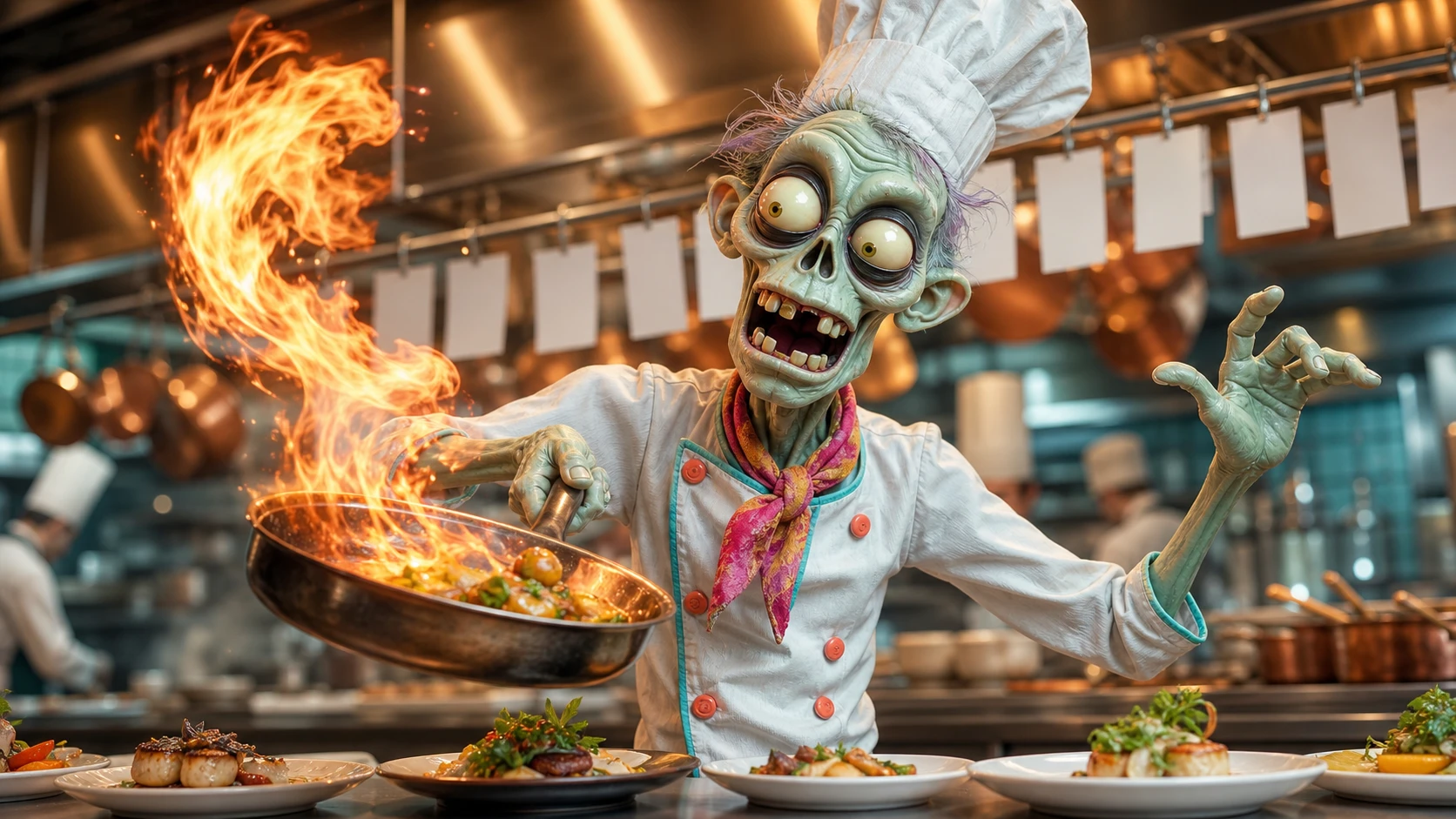
AI Integration For Detroit Restaurants
Owner or general manager of an independent restaurant, likely doubling as the host, the reservation line, and the social media manager. If that sounds familiar, the fix isn’t hiring another person to sit by the phone. It’s an AI system built into your site that never misses the call in the first place.
Why This Matters More In Detroit Than It Looks
Michigan's tipped minimum wage is on a fixed statutory escalator — 40% of the state minimum in 2026, climbing to 50% by 2031 — so Detroit restaurants face a front-of-house labor bill that is legally scheduled to keep rising for years, on top of a general minimum wage jumping to $15/hr in 2027.
- Michigan's 2026 state minimum wage is $13.73/hr; the tipped minimum is $5.49/hr, set at 40% of the state minimum under the Improved Workforce Opportunity Wage Act (IWOWA).
- Under IWOWA's phase schedule the tipped percentage rises annually — 40% in 2026, 42% in 2027 — continuing until it reaches 50% of the state minimum by January 1, 2031.
- The general state minimum wage rises to $15/hr on January 1, 2027, then indexes to inflation starting in 2028.
- A 2025-2026 'Voters to Stop Pay Cuts' ballot campaign backed by One Fair Wage sought to eliminate the tip credit entirely; it stalled in March 2026 but organizers said they plan to revisit it in the 2028 election cycle, meaning the tip-credit system remains politically unsettled.
- Detroit is investing in event-driven demand spikes: the 2024 NFL Draft delivered a $213.6M economic impact, the city is adding 1,600+ downtown hotel rooms by 2027, and it will host the 2027 Men's Final Four.
What Michigan Actually Requires
The Detroit Health Department licenses and inspects nearly 1,900 food establishments in the city (with new public inspection placards under the 2024 Dining with Confidence ordinance), Michigan requires a certified food manager at most establishments, and on-premises liquor licenses in Detroit are capped by a state population-based quota that is already fully allocated.
- The Detroit Health Department's food safety unit licenses and inspects over 1,900 food establishments citywide; licenses are non-transferable, expire every April 30, and after initial approval an establishment receives a routine inspection roughly every six months.
- In June 2024, Detroit City Council passed the Dining with Confidence ordinance requiring visible food-safety inspection placards at restaurants, intended to increase transparency and incentivize sustained food-safety improvement.
- Michigan has required most food establishments (restaurants, schools, bars, hospitals, mobile units) to employ at least one certified food manager since June 30, 2009; certification requires passing an ANSI-accredited exam (e.g., ServSafe) and must be renewed, along with allergen-awareness training, every five years.
- Michigan's liquor law caps on-premises (Class C) licenses at one per 1,500 population per municipality, with the quota recalculated every 10 years against federal Census data; as of the last published count, Detroit's Class C quota was fully allocated at 476 licenses, with additional licenses sitting in escrow rather than available for new issuance.
What’s Actually Costing You Right Now
What We Build
Ad Zombies is a branding and marketing company founded by Ken “Spanky” Moskowitz — 40 years in advertising, 10 Super Bowl ads, $460 billion in client revenue generated. Web Reanimation is our website rebuild service; AI integration is one of the ways we build it to keep working after the site launches, not just look good on launch day.
How Much Does This Cost?
AI integration isn’t a separate line item bolted onto a website quote. Web Reanimation projects start at $10,000, and AI chat, booking, and automation are scoped into that same fixed-price proposal based on what your business actually needs. You get one proposal, not a website quote and a separate AI vendor quote to reconcile.
How It Works
AI Integration In Nearby Markets
The local pressure that makes this worth building looks different in every market. Others we build for:
Want the full website picture for Detroit first? See Restaurant website design in Detroit. Not in Detroit, or not in restaurant? See AI integration for restaurants for our other markets, or every industry we build for.
Frequently Asked Questions
Part of it. AI chat, AI-powered booking, and marketing automation are capabilities we build into your Web Reanimation site -- not a second contract, a second price, or a second vendor to coordinate. Web Reanimation projects start at $10,000, and AI integration is scoped into that same fixed-price proposal.
Fair question. What makes AI integration worth building at all is local: Michigan's tipped minimum wage is on a fixed statutory escalator — 40% of the state minimum in 2026, climbing to 50% by 2031 — so Detroit restaurants face a front-of-house labor bill that is legally scheduled to keep rising for years, on top of a general minimum wage jumping to $15/hr in 2027. That's the real pressure an AI assistant or automated booking flow is built to relieve here, not a generic feature list.
You own the build -- the code, the content, the domain, and access to your CMS. The AI assistant itself runs on usage-based provider costs (the same way any AI tool works), but there is no markup, no "hostage fee," and no platform lock-in on our end.
Most Web Reanimation projects, AI integration included, take 6 to 12 weeks from kickoff to launch. We accept a maximum of 5 Web Reanimation projects per month across every industry we work with, so timelines are real, not padded.